Hungarian Music Night Part 2 – Joseph Haydn „Farewell – Music from Eszterháza Palace“
Date
Date
19.09.2026
Hour
Time
21:00 - 22:00
Location
Location
Cloister of Merseburg Cathedral
Costs
Cost
€20, conc. €15, pupils €6 | Day ticket including dome admission: €50, conc. €40
Hungarian Music Night Part 2: Joseph Haydn (1732 – 1809) „Farewell – Music from Eszterháza Palace“, Piano Concerto in D Major, Symphony Hob. 45 in F-sharp Minor „The Farewell“
Guidance Michael Beauty
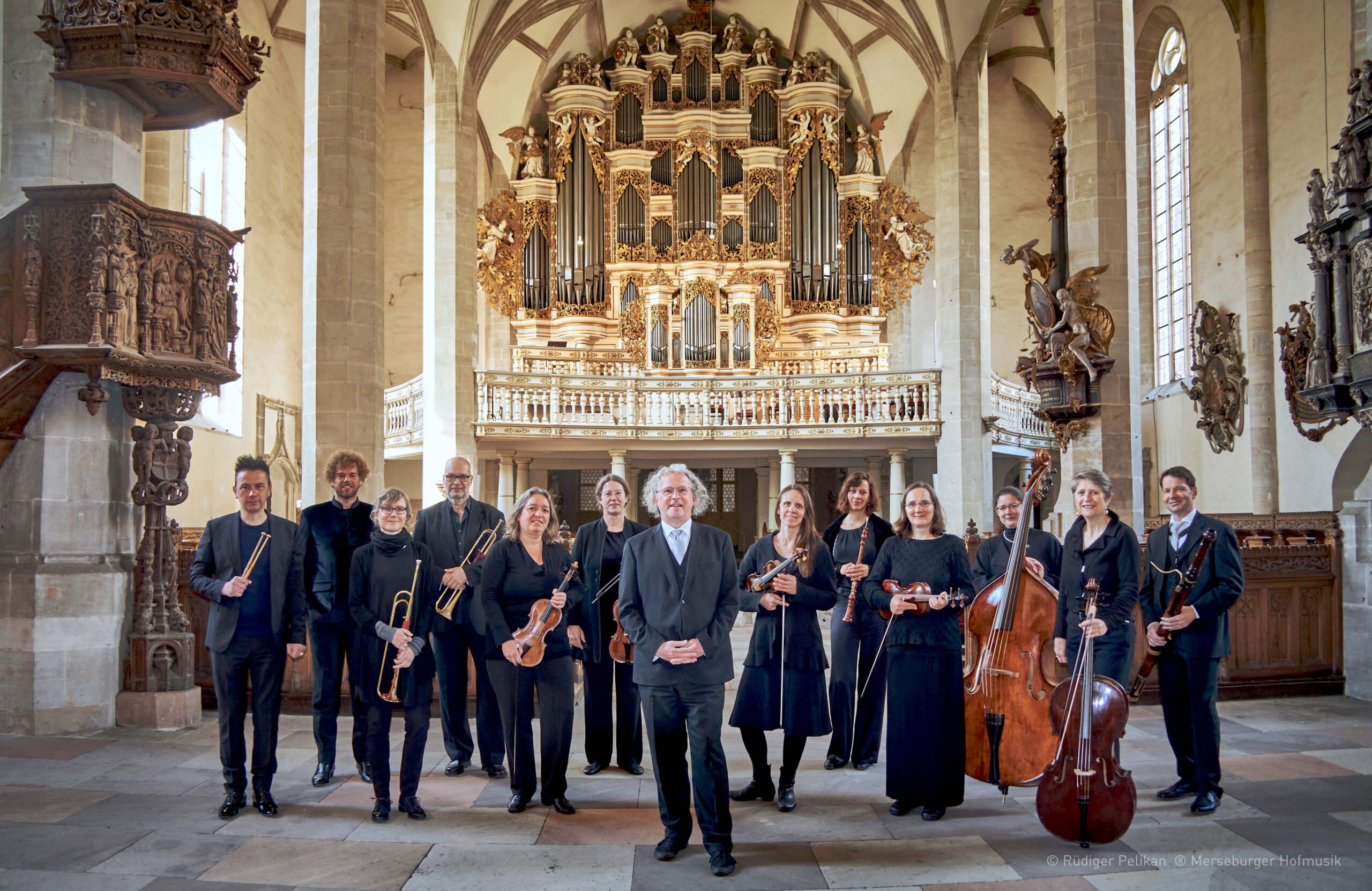
ENSEMBLE Merseburg court music
Grand piano Michael Beauty
With „Farewell – Music from Eszterháza Palace“ the second part in the cloister leads into that sound world which Joseph Haydn shaped over many years as choirmaster at the Esterházy court. At its centre are the Piano Concerto in D major and the famous symphony Hob. 45 F sharp minor „The Farewell“, which show Haydn's elegance, wit and emotional nuance in a special way. Under the direction of Michael Beauty, who plays the fortepiano at the same time, dedicates herself to Merseburg court music these works with historical sound awareness and chamber music precision. This creates a concert that brings the musical cosmos of Eszterháza Castle to life and makes Haydn experienceable as a master of subtle transitions between courtly festivity, sentimental expressiveness and surprising gestures. The Farewell Symphony, in particular, lends the evening a special charm: as a famous work full of character, wit and subtle theatrical effect.
The Merseburg court music was 1998 founded and has since been closely associated with the musical profile of Merseburg Cathedral and the Merseburg Organ Days. Musicians from Leipzig Gewandhaus Orchestra and freelance specialists found themselves under the artistic direction of Michael Beauty together, primarily to Baroque music from the Central German region on historical instruments to bring to life. A special concern of the ensemble is to perpetuate the rich musical tradition of the former residence of Merseburg with composers such as Johann Joachim Quantz, Wilhelm Friedemann Bach and Georg Friedrich Kauffmann to keep it alive and to place it in relation to Bach, Handel, and Telemann. Thus, Merseburger Hofmusik stands for historical sound consciousness, stylistic precision, and a vibrant musical engagement with the Central German musical landscape.